
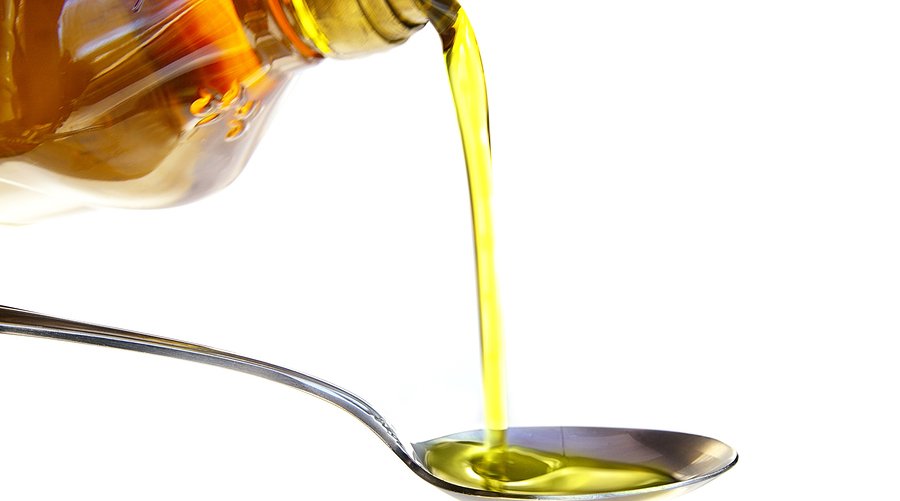
In a recent Reader’s Digest article, Dr. Dean Ornish expressed a number of concerns about olive oil – questioning its reputation as a healthy fat.
Is Olive Oil Healthy?
Who would have guessed? Olive oil is now under attack.
In an article in Reader’s Digest titled, The Great Olive Oil Misconception, Dean Ornish takes on this staple of the Mediterranean Diet. In the article, Dr. Ornish expressed a number of concerns about olive oil. I also went online and found articles and interviews where he expressed several more. Let’s take a look as his concerns and see how they stack up.
Myths About Olive Oil From Dr. Ornish
- Despite claims to the contrary, olive oil doesn’t lower cholesterol. It merely raises it less than saturated fats.
- Actually, there are a number of studies that indicate quite the contrary – that olive oil and it’s main constituent, oleic acid, can indeed improve your blood lipid profile.
- Oleic acid is a potent inhibitor of fatty acid and cholesterol synthesis in C6 glioma cells
- European Journal of Clinical Nutrition
- The Effect of Polyphenols in Olive Oil on Heart Disease Risk Factors
- Actually, there are a number of studies that indicate quite the contrary – that olive oil and it’s main constituent, oleic acid, can indeed improve your blood lipid profile.
- It doesn’t lower the risk of heart attacks. Eating fruits and vegetables and eating oils high in Omega-3 fatty acids such as canola oil do that.
- Even the FDA credits olive oil with reducing the risk of coronary disease.
- Studies indicate it reduces blood flow by 31%
- Dr. Ornish is referring to a March 2000 study by Dr. Robert Vogel, which concluded that olive oil may be nearly as dangerous as saturated fat in clogging arteries. However:
- The study required people to eat 4 tablespoons of olive oil at a meal. You’re talking about 500 calories just in oil per meal. You should be having ½ to 1 tablespoon per meal. Let’s be reasonable here.
- The study involved only 10 people, and it identified an isolated biological effect that has not been connected to heart disease.
- Not to mention the fact that more recent studies contradict the results.
- In particular, one study found that: Olive extract could improve blood flow, boost cardio health.
- Dr. Ornish is referring to a March 2000 study by Dr. Robert Vogel, which concluded that olive oil may be nearly as dangerous as saturated fat in clogging arteries. However:
- Olive oil has 13 times the amount of harmful omega-6s as beneficial omega-3s.
- This is really bogus. Olive oil is 77% monosaturated fat. That means you’re dividing up 23% among all the other fats. So yes, it may contain a bad ratio of omega-6 to omega-3, but it’s at such low levels it has virtually no impact on the actual ratios in your body. I have a great deal of respect for Dr. Ornish, but on this one: for shame!
- Healthier sources of polyphenols are recommended such as grapes, without all the fat.
- This too is meaningless. That’s like saying there’s no difference between EGCG as found in green tea and resveratrol as found in grape skin extract because they’re both polyphenols. Nonsense!! Each source of polyphenols is different in the particular polyphenols it contains. For the most part, they are not interchangeable.
- Olive oil has 126 calories per tablespoon
- As do all oils.
In addition, olive oil contains high levels of monounsaturated fatty acids as well as a host of phytochemicals. The antioxidants in olive oil may protect against peroxidation, reduce plasma levels of LDL cholesterol and increase HDL cholesterol levels. It has been shown in studies to normalize blood pressure in hypertensive patients and inhibit the inflammatory response, decreasing the expression of pro-inflammatory proteins associated with atherosclerosis. And olive polyphenols, including hydroxytyrosol, appear to be effective free radical scavengers that can inhibit platelet aggregation. It’s also worth mentioning that olive oil has beneficial effects independent from those on lipids, such as improving insulin and blood glucose levels.
Perhaps what this is really all about is the results of a 2006 study that supported the cardiovascular superiority of traditional Mediterranean diets versus extreme very-low-fat diets like the one developed by Dr. Dean Ornish. In fact, the study found that the group that received free virgin olive oil enjoyed greater decreases in blood glucose levels, greater improvements in the ratio of total cholesterol to HDL cholesterol, and significant reductions in their blood levels of C-reactive protein (a marker of inflammation linked to heart disease).


Perhaps what this is really all about is the results of a 2006 study that supported the cardiovascular superiority of traditional Mediterranean diets versus extreme very-low-fat diets like the one developed by Dr. Dean Ornish.
Say no more!
Dr Ornish’s biography states the following…
Dean Ornish, MD, is the founder, president, and director of the non-profit Preventive Medicine Research Institute in Sausalito, California, where he holds the Bucksbaum Chair.
The shameless self-promotion of creating and a chair and assigning it to yourself aside, the Readers’ Digest site does not have that article. Was it just in the print version, or do you have a link?
Thanks in advance.
Charles:
So far the article seems only to be in print in the 9/07 issue of Reader’s Digest.
As for Dr. Ornish running the foundation he created, I can’t really complain — given that I started and oversee the Baseline of Health Foundation, a real non-profit 501(c)(3) charitable organization. Ah! But as for holding the Bucksbaum Chair, I’ll have to wait until the Bucksbaums’s donate several million dollars to set up a chair here before I decide what I think about that.
The point, as you know, was really the ‘chair’ nonsense. On the other hand, my name is available.
It still seems that more analysis needs to be done in the area of optimizing lipid intake. While it’s clearcut now that lowering protein leads to greater longevity, we really don’t know the optimal longevity increasing ratio for fats. We know that as we increase fat intake, hormonal activity increases. So the question now is- if you are to go from the 7-10% fat that you would get from a diet of no added fat with mostly fruits and vegetables to a diet of a mixture of fats (up to 35% fats) (but mostly olive oil) – do you really see the longevity benefits? I would potentially argue that even with most of the markers becoming better with olive oil (lower insulin, lower c- reactive protein, etc) – there is a possibility that the high level of circulating hormones from the higher fat intake might not be as longevity increasing as maintaining a lower fat diet. We see data like this in fish oils also. Fish oil can substantially decrease triglycerides but at what cost? Is the decrease worth the cost in lipid peroxidation? Is this another case of where there is oxidation that occurs to protect DNA from damage? Maybe you can chime in on these types of questions Jon?
Ah, Aaron, but what about
Ah, Aaron, but what about avocados and walnuts and sprouted sunflower seeds? Several key vitamins and phytochemcials such as vitamins E and D, CoQ10, and most of the carotenoids are fat soluble. Fats are an important part of the diet. The key lies in getting the right kind and in the right ratios — and not overdoing it, of course.
Ah, Aaron, but what about avocados and walnuts and sprouted sunflower seeds? Several key vitamins and phytochemcials such as vitamins E and D, CoQ10, and most of the carotenoids are fat soluble. Fats are an important part of the diet. The key lies in getting the right kind and in the right ratios — and not overdoing it, of course.
This year I began importing extra virgin olive oil (EVOO) grown and made by small family farmers who live in the mountains on the island of Crete. I did so because the EVOO is the most healthful and highest quality I have been able to find after living in and visiting the olive oil producing countries of the Mediterranean and Middle East for many years. The polyphenols in the oil are more than double what you typically find in the EVOOs for sale here.
I dont know a lot about the chemistry of vitamins and olive oil, but I do know what I see in Crete while I am there. Every Sunday morning we go to church. The old men and women are indeed old, but look much younger than their age. I have not seen anyone with hands and fingers curled from arthritis. When it is time to harvest the olives from the trees in the mountains, elderly men and women 25 years my senior pass me by going up and down the mountains. Except for the unfortunate few who smoke heavily, I have the sense that most folks in the village on Crete are a lot healthier than their American counterparts.
I have read some articles that claim the people on Crete consume five or more times the amount of EVOO than the next highest consumption in the olive growing countries. In Crete, EVOO is used for everything. I have not seen butter in the villages that I visit.
I would question anyone who says that EVOO is unhealthy. Some oils marketed as EVOO that have been made in unsanitary facilities and fraudulently mixed with all manner of processed and refined oils are certainly not healthy for you. The average EVOO you buy may have 50-80 ppm polyphenols while the pure, clean EVOO from my farmers typically tests at 160 ppm and higher. Perhaps that is why the Cretan diet is now getting so much attention.
I think good quality EVOO is healthy for you and one negative voice in a sea of positive studies should be discounted until and unless some respectable research refutes what we know now.
Tony Sansone [email protected]
Isn’t the simple solution to eat everything in their natural state -as long as they’re eatible- instead of squeezing the hell out of them -or cooking them to make them eatible-?
I mean that way you can make sure that you’re “”getting the right kind and in the right ratios””, right?
Ahh! If only it were that simple. Yes, in general, food in its natural state is healthier. But there are other factors involved. Take selenium for example. Plants grow just fine without selenium in the soil. That means that no mater how naturally something is grown, and no matter how natural it is when you eat it, if there was no selenium in the soil when it was grown, you will be selenium deficient. Another factor is the inherent nature of the food itself. Corn oil, for example, is naturally high (too high) in Omega-6 fatty acid. No matter how naturally that oil is processed, it will always be too high in Omega-6 fatty acids. Olive oil is high in oleic acid, but virutally non-existent in Omega-3 fatty acids. If you eat nothing but olive oil and don’t include any other sources of Omega-3 fats, you wil be deficient Omega-3 deficient. Bottom line: there is more to nutrition than just eating foods in their natural state — although, again, that’s a good starting point.
I understand the selenium example, but that kind of soil problems are more or less modern, agricultural problems I guess. Actually I don’t think you should be worrying about those soil problems even today, as long as you’re eating a lot of vegetables sourcing from different soils, one of them ought to have some in it… No guarantee of course, but makes sense to me.
And about corn oil, olive oil and so on… Those can’t be considered natural foods from my point of view. Maybe I should’ve made clear that I was talking more about a simple raw-whole foods diet, which basically doesn’t have any processed foods in it. A little like avoiding the food sorts which are inaccessible to other primates…
Extracting it’s oil out of a fruit is not more natural than extracting the sugar out of it. In both cases it makes more sense to eat the fruit raw, alive and in its natural balance. Like our bodies were used to digest them in the past… Or doesn’t it?
The problem is though, it seems that raw olives in their natural state aren’t really easily edible by humans. Accordingly, they can’t have been a part of our natural diet until recently. So I’m not so sure if it really makes sense to eat olive/oil…
With regard to “”Persistent Organic Pollution”” (POPs) and Olive Oil.
I know that POPs are fat soluble and one should avoid eating animal products, milk, sea food if they want to limit their intake of POPs.
What about Olive Oil? Do you have any information about the levels of POPs in various olive oils from around the world?
By the way, POPs are man made chemicals (either on purpose or by accident) that include dioxins, DDT and PBCs.
People with the highest combined levels of
all six POPs the rate of diabetes was a massive 38 times greater than in those
with the lowest levels (Diabetes Care, vol 29, p 1638).
the fiber in plant food helps
the fiber in plant food helps to keep fats from going rancid, when oil is extracted from its source and discarding the fiber , early stage rancidity sets in (and therefore potential carcinogenicity ensues) even if we cannot detect it, refined oil is just empty calories, its like protein powders and extracted refined sugar.
"Eating fruits and vegetables
“Eating fruits and vegetables and eating oils high in Omega-3 fatty acids such as canola oil do that.”
Canola oil is BAD for your heart.
I followed Dr. Esselstyn´s
I followed Dr. Esselstyn´s strict diet for preventing and reversing heart disease. I managed to hold on for 4 months, and did see rewarding results in my lab. tests, except for the Tryglicerides, which didn´t budge. However, Dr. E. does not permit ingesting Extra Virgen Olive Oil, as he says it is 20% bad fat for heart health. Since his diet began 20 years ago, I have some reservations: for instance, so much more has been learned about nutrition, and beneficial foods. Could he not be out of date regarding health benefits of EVOO? Same could be said for Dr. Ornish.
There are many approaches to
There are many approaches to good health – all of which have worked for many people, the Esselstyn diet included. On the other hand, not every diet works for everyone. Different bodies require different diets. That said, the Esselstyn diet’s requirement that you avoid all oils, may be problematic for many people. I understand Esselstyn’s argument for this approach, but it does fly in the face of the fact that the only nutrients proven to lower triglyceride levels are the long-chain omega-3 fish fats—EPA and DHA. And the best sources of these fats are fish oil and krill oil.
Re olive oil – the main
Re olive oil – the main factor is sure to be that most olive oils on shop shelves are rancid. Olive oil usually has a bitter, ugh taste, and is not nice unless you’ve been accustomed to it. BUT – If you buy fresh olive oil from the farm, as I have done – it has a fruity taste – totally different. You would hardly recognise it as olive oil.
The reason it goes rancid is due to the Omega 6 content. Macadamia oil has virtually no Omega 6 and on the shop shelves this oil is pristine. It also contain omegas 5 and 7 – which are now found to be even better than the rest…! Probaby the best oil you can buy. Tastes wondrfrul too. But only take a little, as oil is a fractionated food like sugar.